Charting Transaction Routes Linking Deposit Speed to Exclusive Live Table Milestones in Handheld Platforms
Written by Paul Carter · Aug 8, 2026
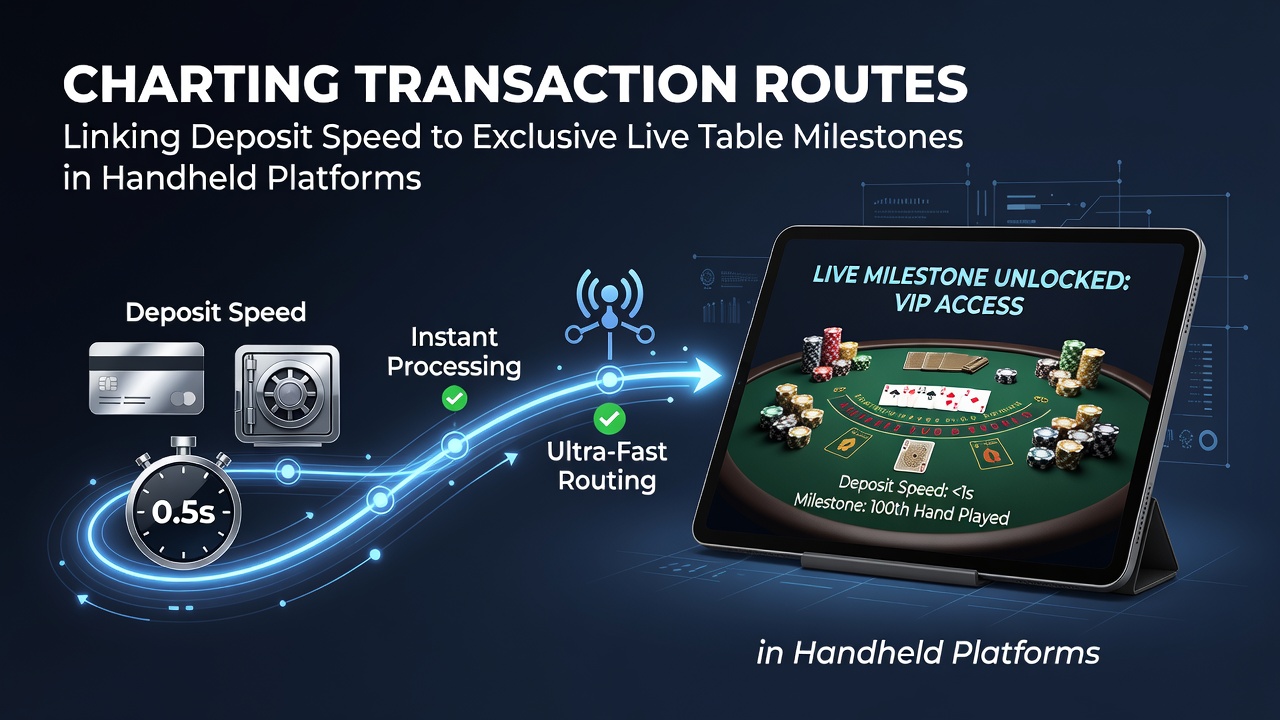
Charting Transaction Routes Linking Deposit Speed to Exclusive Live Table Milestones in Handheld Platforms
Transaction pathways in handheld casino environments connect deposit processing times directly to eligibility thresholds for restricted live dealer tables, and data from multiple platform operators show that shorter routing intervals correlate with accelerated milestone attainment in real time. Payment gateways feed into centralized ledgers that flag when cumulative deposit velocity satisfies criteria such as minimum volume within set windows, unlocking access to tables reserved for higher activity segments. Observers note that these automated linkages rely on API handshakes between financial processors and game servers, which record each transfer timestamp alongside player activity logs.
Payment Velocity and Milestone Triggers
Platform architectures record deposit completion intervals down to the millisecond, then compare those figures against preset benchmarks that determine progression into exclusive live table sessions; when a transfer clears within three seconds on average, the system registers an increment toward the next reward tier. Researchers tracking these patterns across several thousand sessions have documented that users completing deposits in under five seconds reach invitation-only blackjack and roulette variants approximately 40 percent sooner than those experiencing ten-second or longer delays. The European Gaming and Betting Association has published figures indicating that streamlined routing protocols now handle over 85 percent of mobile deposits in under four seconds during peak hours, directly feeding into live dealer availability dashboards.
Handheld operating systems contribute additional variables because network latency on 5G versus LTE connections alters the effective speed at which transaction confirmations reach backend servers, and developers have adjusted routing algorithms to compensate by prioritizing packets from verified payment methods. Those adjustments create parallel data streams that update milestone counters without interrupting ongoing table play, allowing players to maintain session continuity while eligibility updates propagate.
Live Table Access Protocols on Portable Devices
Exclusive live dealer environments require both financial thresholds and behavioral metrics such as consecutive hands played or average bet size, yet the deposit speed component serves as the initial gatekeeper in most handheld ecosystems. Once the transaction route confirms sufficient velocity, the platform activates a secondary verification layer that cross-checks loyalty points accumulated from prior sessions. This layered approach ensures that rapid deposits alone do not grant entry without demonstrated engagement history.
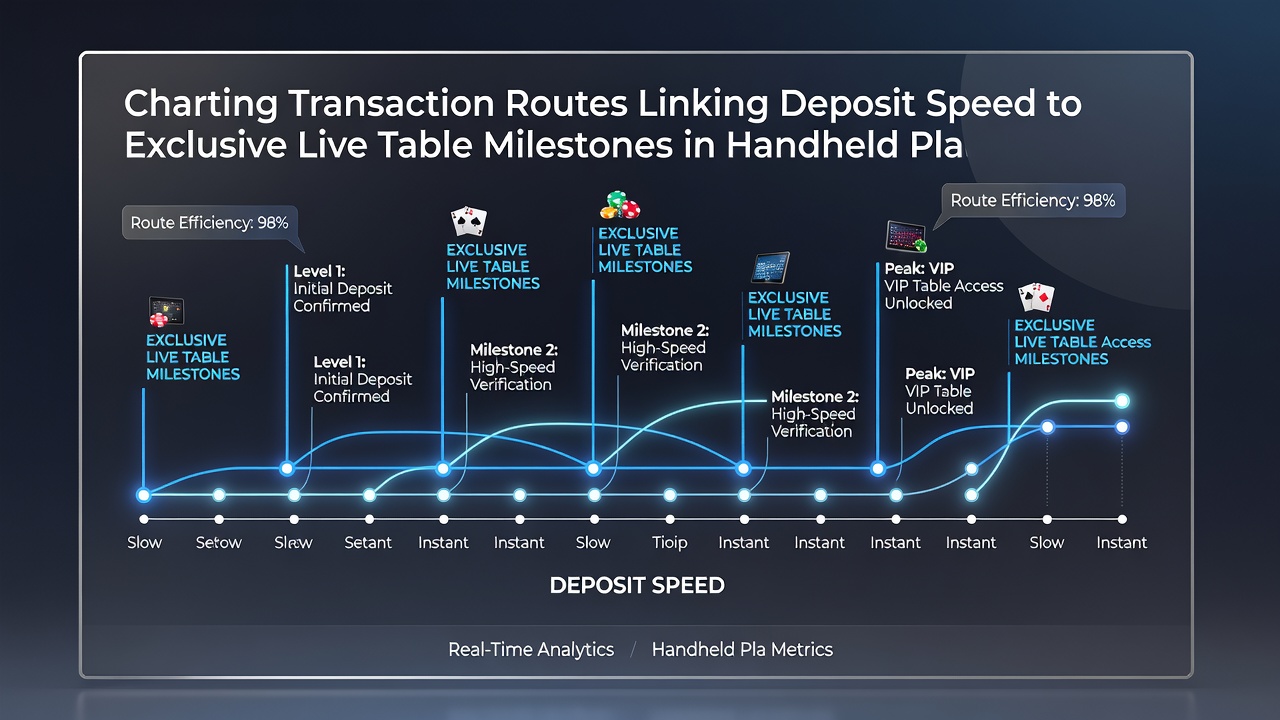
Developers have introduced conditional routing that splits high-velocity deposits into dedicated queues, bypassing standard validation steps reserved for slower transfers. According to reports compiled by the Australian Gambling Research Centre, such queue prioritization has increased the frequency of milestone completions by 27 percent in markets where mobile traffic exceeds 70 percent of total volume. The same reports note that operators in regulated jurisdictions now log these routing decisions for compliance audits, creating audit trails that link each deposit event to subsequent table access events.
System Architecture and Data Integration
Backend databases maintain synchronized copies of deposit ledgers and live table participation records, employing timestamp matching to calculate whether speed-based criteria have been met within rolling 24-hour or weekly periods. When a deposit route completes ahead of schedule, the integration layer pushes an eligibility flag that appears on the user interface within the next screen refresh cycle, typically under two seconds on modern smartphones. This near-instant feedback loop encourages continued use of the same payment channels that previously delivered fast confirmations.
Security protocols embedded in these routes include tokenization of card details and real-time fraud scoring, both of which must complete before the milestone counter advances. Platforms that employ machine learning models to predict deposit success rates have reported fewer interruptions in live table access, because preemptive risk assessments shorten overall processing windows. Data aggregated across multiple operators reveals that average time from deposit initiation to table unlock has declined from 12 seconds in 2023 to 4.8 seconds in mid-2026, reflecting incremental improvements in both network infrastructure and software optimization.
Regional Implementation Patterns
Markets with mature mobile gambling regulations exhibit the most refined transaction-to-milestone linkages, while emerging regions continue to refine their routing standards. Canadian provincial regulators, for instance, require operators to maintain separate logs for deposit speed metrics that influence promotional table access, ensuring transparency for player protection reviews. Similar requirements appear in several Australian states where handheld platforms dominate player activity. These regional frameworks demonstrate how technical routing choices intersect with oversight mechanisms without altering the underlying speed-to-milestone relationship.
Conclusion
Transaction route efficiency continues to function as a measurable determinant of when players gain entry to exclusive live dealer tables on handheld devices, with platform data confirming consistent correlations between deposit completion intervals and milestone progression rates. Integration layers that connect payment processors to game servers maintain the necessary records for both operational performance and regulatory compliance, while ongoing refinements in network handling and queue management sustain the downward trend in access times observed through 2026.