Coordinating Tiered Incentive Levels with Instantaneous Verification Processes in Handheld Progressive Jackpot Systems
Written by Frankie Meier · Aug 27, 2026
Coordinating Tiered Incentive Levels with Instantaneous Verification Processes in Handheld Progressive Jackpot Systems
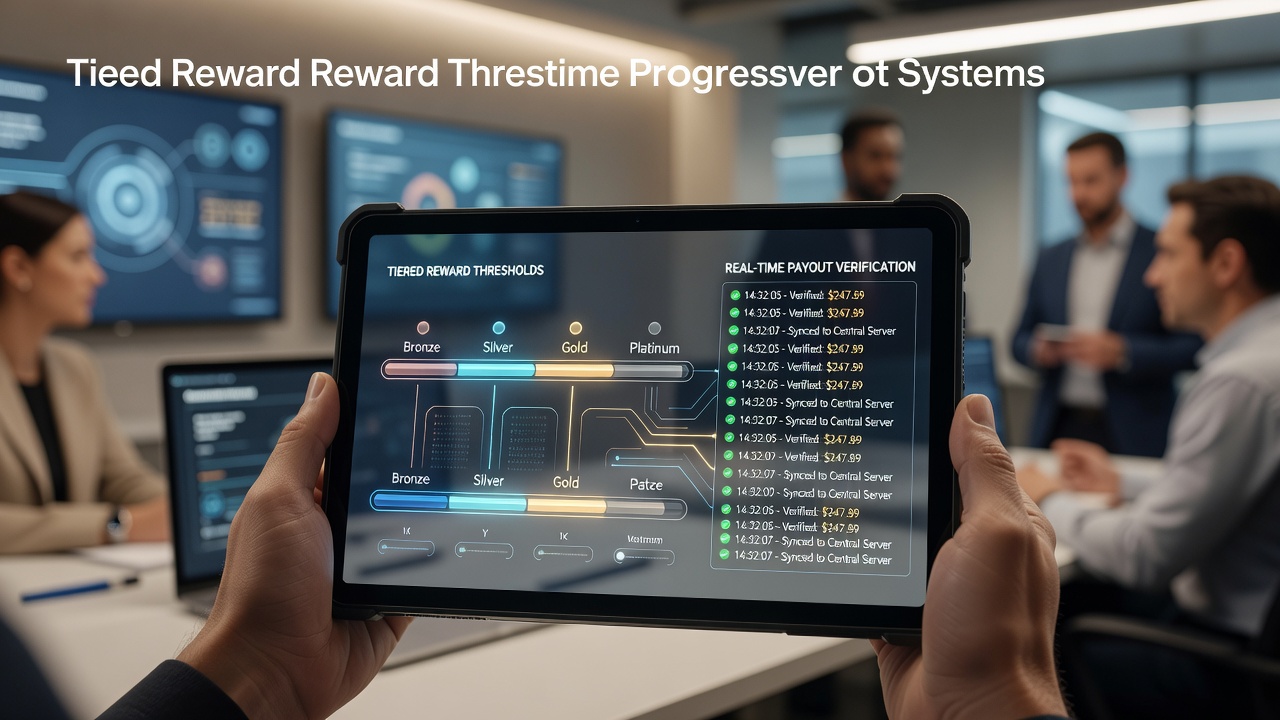
Handheld progressive systems rely on synchronized data streams that connect player activity across multiple mobile platforms to centralized jackpot pools while tiered reward structures adjust eligibility based on accumulated play metrics. These frameworks require verification protocols that confirm payout requests against predefined thresholds in real time, ensuring that reward releases align precisely with system-recorded progress toward each incentive level.
Developers implement application programming interfaces that query live databases for both progressive contributions and tier advancement data before authorizing any fund transfer. Such integration prevents discrepancies where a player might qualify for a higher tier on one metric yet encounter delays when the payout verification module cross-checks the same activity logs. Industry reports indicate that platforms utilizing these coordinated processes experience fewer transaction interruptions during peak mobile usage periods.
Core Technical Components
Progressive jackpot pools update continuously as wagers occur on handheld devices, and the synchronization layer maps each contribution directly to the corresponding tier thresholds stored in distributed ledgers. Real-time payout verifications then execute through multi-factor authentication sequences that reference both the player's current tier status and the jackpot total at the moment of request. Systems often employ event-driven architectures that trigger verification scripts immediately upon threshold detection rather than relying on scheduled batch processes.
Security modules within these environments apply cryptographic hashing to transaction records, allowing instant comparison against historical play data without exposing full account details during the check. Observers note that this approach reduces latency while maintaining audit trails required by regulatory frameworks in various jurisdictions. Data from operational reviews shows that verification cycles complete within milliseconds when the tier synchronization and payout modules share a unified data pipeline.
Implementation Across Mobile Networks
Operators deploy these coordinated systems on smartphone and tablet applications where progressive eligibility accumulates through both slot-style and table-game contributions. Tiered rewards escalate from basic cashback percentages to enhanced jackpot multipliers, with each level requiring verified play volume that the real-time module confirms before unlocking. One deployment in North American markets demonstrated how seamless handoffs between local device caches and cloud-based verification servers maintained continuity even during network transitions.
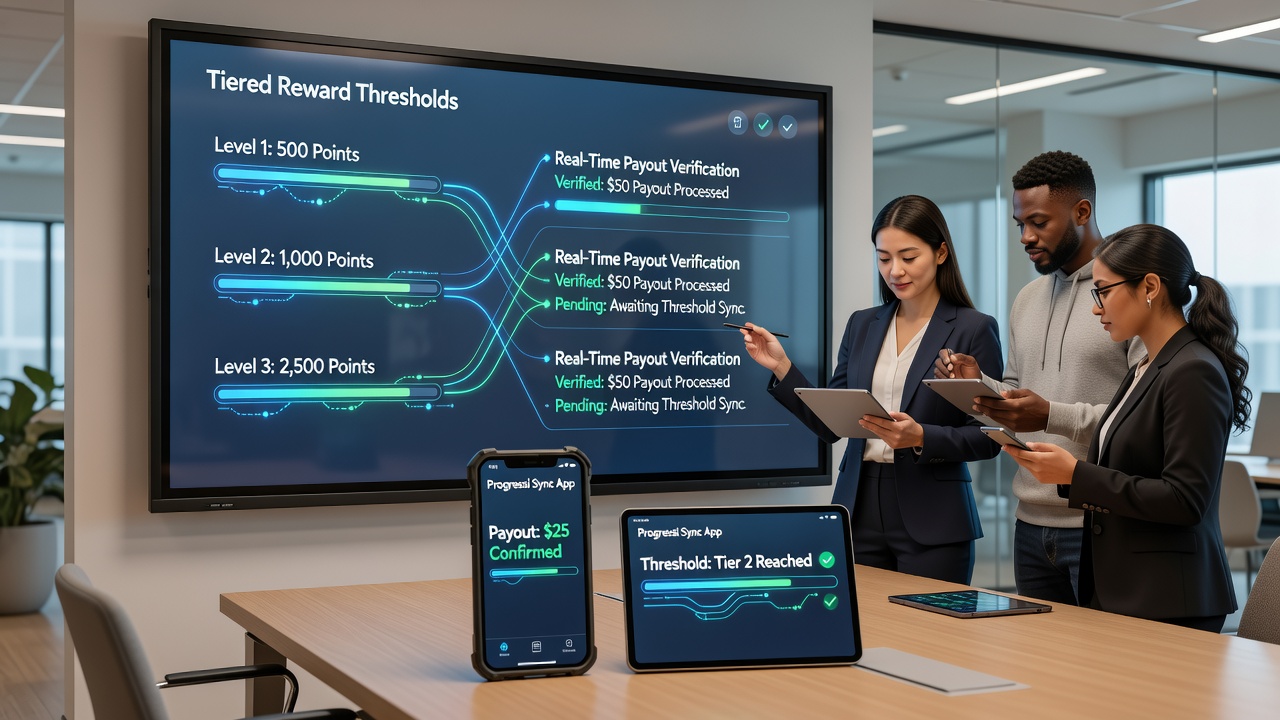
Integration testing conducted by platform providers reveals that combining these functions into a single workflow minimizes the risk of tier advancement being recorded without corresponding payout authorization. In August 2026 several regional operators reported updated compliance documentation reflecting these synchronized verification standards across their handheld progressive offerings. External analyses from the American Gaming Association highlight similar patterns in technology adoption rates among mobile-focused licensees.
Regulatory and Operational Considerations
Regulatory bodies in multiple regions require documented evidence that tier thresholds and payout verifications operate without manual intervention once parameters are set. Australian state gaming authorities, for instance, mandate periodic third-party audits of the synchronization logic to confirm that progressive contributions translate accurately into reward eligibility. Canadian provincial regulators similarly emphasize real-time logging capabilities that allow oversight agencies to trace any discrepancy back to its source within the system architecture.
Operators address these requirements through modular code structures that isolate the verification engine from the main game logic, enabling independent testing and updates. Figures from industry compliance summaries indicate that platforms with such separation experience shorter approval cycles when introducing new tier levels or adjusting progressive contribution rates.
Future Developments in Synchronization Protocols
Emerging standards propose expanded use of distributed ledger technology to record both tier progress and payout verifications on immutable chains accessible to regulators and operators alike. Research institutions studying gaming technology, including reports associated with the University of Nevada, Reno, examine how these ledgers could further reduce reconciliation times between mobile devices and central servers. Additional pilots explore machine-learning models that predict verification bottlenecks before they affect player sessions.
Geographic diversification of data centers supports lower latency for international users accessing the same progressive pools, while maintaining consistent tier synchronization across regions. Observers note continued investment in these areas as handheld device capabilities expand and regulatory expectations around real-time transparency increase.
Conclusion
Coordination between tiered reward thresholds and real-time payout verifications forms a foundational element of current handheld progressive systems. Technical implementations continue to evolve through combined database architectures, event-driven triggers, and regulatory-compliant audit mechanisms. Data from multiple jurisdictions demonstrates measurable improvements in transaction reliability when these components function within unified workflows. Ongoing refinements focus on latency reduction and expanded transparency features that align with evolving compliance standards worldwide.