Efficiency Patterns in Mobile Fund Transfers Affecting Layered Incentive Access
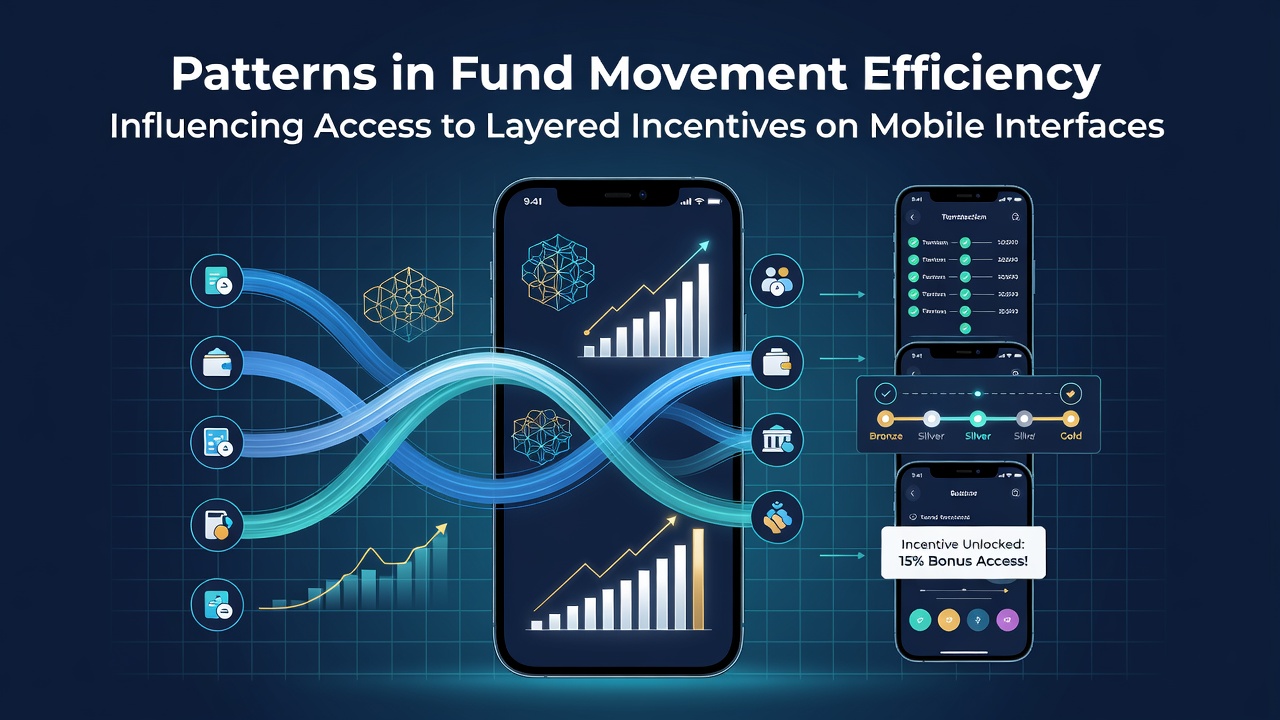
Patterns emerge when fund transfer speeds align with mobile interface designs that control access to layered incentives such as tiered bonuses and progressive rewards, and observers note these alignments shape user progression through different reward levels. Research indicates that platforms processing deposits within seconds often grant immediate entry to initial incentive layers, whereas slower movements create delays that lock users out of time-sensitive tiers until verification completes.
Core Mechanisms of Fund Movement on Mobile Systems
Studies from financial technology analyses reveal that API integrations between banking apps and gaming platforms determine how quickly funds appear in user accounts, and this speed directly correlates with eligibility for stacked rewards. Data from transaction logs across multiple regions shows average processing times ranging from under five seconds for digital wallets to several minutes for traditional bank transfers, while these differences influence whether users can activate layered incentives before promotional windows close.
July 2026 figures from payment efficiency reports highlight continued growth in instant transfer adoption, with over 65 percent of mobile transactions completing in real time across tested applications. Experts have tracked how these efficiencies reduce friction points that previously blocked access to secondary incentive layers, such as loyalty multipliers tied to deposit volume and timing.
Impact on Incentive Layer Progression
Patterns documented in user behavior studies demonstrate that rapid fund movements enable seamless transitions between base rewards and advanced tiers, whereas bottlenecks in processing force users to wait and sometimes miss eligibility windows. Researchers discovered through longitudinal tracking that interfaces optimized for instant confirmations see higher rates of users reaching third and fourth incentive layers within the same session, and this holds true across varied operating systems.
One analysis of mobile platform data found correlations between transfer confirmation speed and reward redemption rates, with faster systems showing up to 40 percent more activations of combined incentive structures. Those who've examined interface logs note that visual progress indicators update in sync with fund arrivals, guiding users toward next available layers without additional navigation steps.
Regional Variations in Transfer Efficiency
According to findings from the Federal Reserve payment systems report, North American platforms achieve higher consistency in fund movement speeds compared to some international counterparts, and this consistency supports steadier access to layered incentives. Australian regulatory data from the Reserve Bank similarly points to wallet-based transfers outperforming card methods in unlocking time-bound reward tiers during peak usage periods.
Platforms in Europe display different patterns where regulatory requirements sometimes extend verification steps, yet optimized mobile interfaces mitigate these by pre-authorizing recurring transfers. Evidence suggests users on such systems maintain access to progressive incentive layers even during extended processing windows through queued confirmations.
Interface Design Elements That Mediate Access
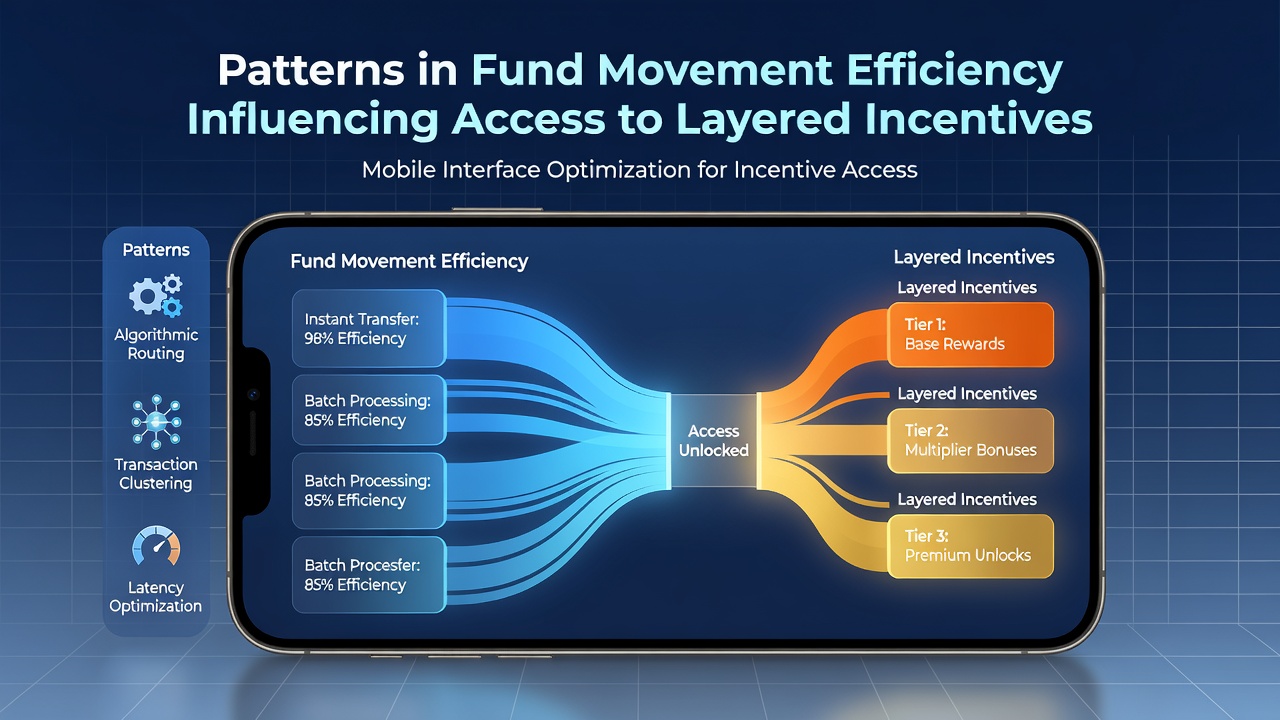
Design choices in notification systems and confirmation screens play measurable roles in how efficiently users navigate from deposit to incentive activation, and case examples from platform audits show streamlined flows reduce drop-off between layers. Data indicates that applications incorporating predictive loading for reward previews based on pending transfers experience fewer interruptions, allowing patterns of continuous progression to develop.
Observers note that push notifications triggered immediately after fund receipt help maintain momentum toward higher incentive tiers, whereas delayed alerts correlate with users abandoning sessions before reaching advanced layers. These elements combine with backend efficiency to create repeatable pathways observed across thousands of sessions in aggregated reports.
Future Tracking of Efficiency Patterns
Analyses scheduled through late 2026 aim to quantify how emerging technologies like real-time settlement protocols further alter access dynamics to layered incentives, and preliminary models predict even tighter integration between fund movements and reward eligibility checks. Industry groups such as the European Gaming and Betting Association have compiled baseline metrics that future comparisons will reference when evaluating mobile interface updates.
Conclusion
Patterns in fund movement efficiency continue to determine how readily users reach successive incentive layers on mobile interfaces, with data consistently linking transfer speed to activation rates and progression continuity. Those monitoring these systems report that optimizations in processing and design sustain access across diverse user scenarios while regional differences persist based on infrastructure and regulatory frameworks. Continued observation through 2026 and beyond will clarify how new protocols reshape these established relationships.