Integration of Support Networks with Tiered Incentive Layers and Prize Building Systems in Mobile Gaming Ecosystems
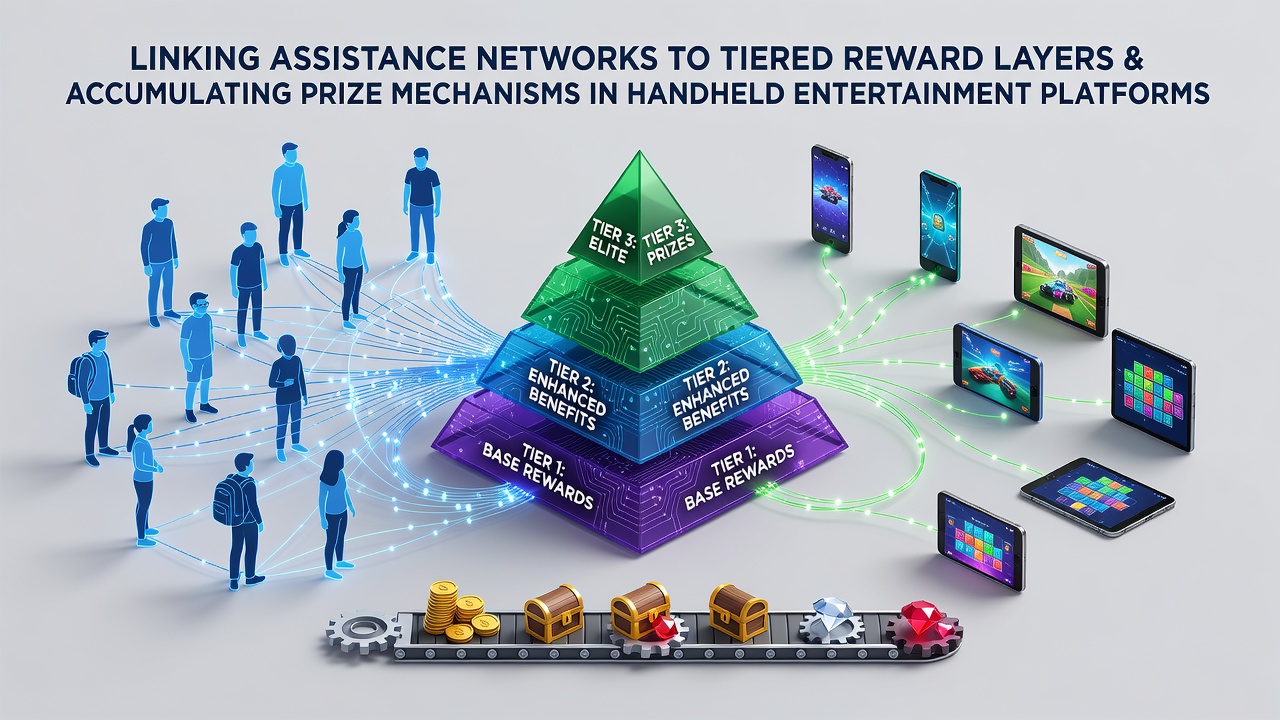
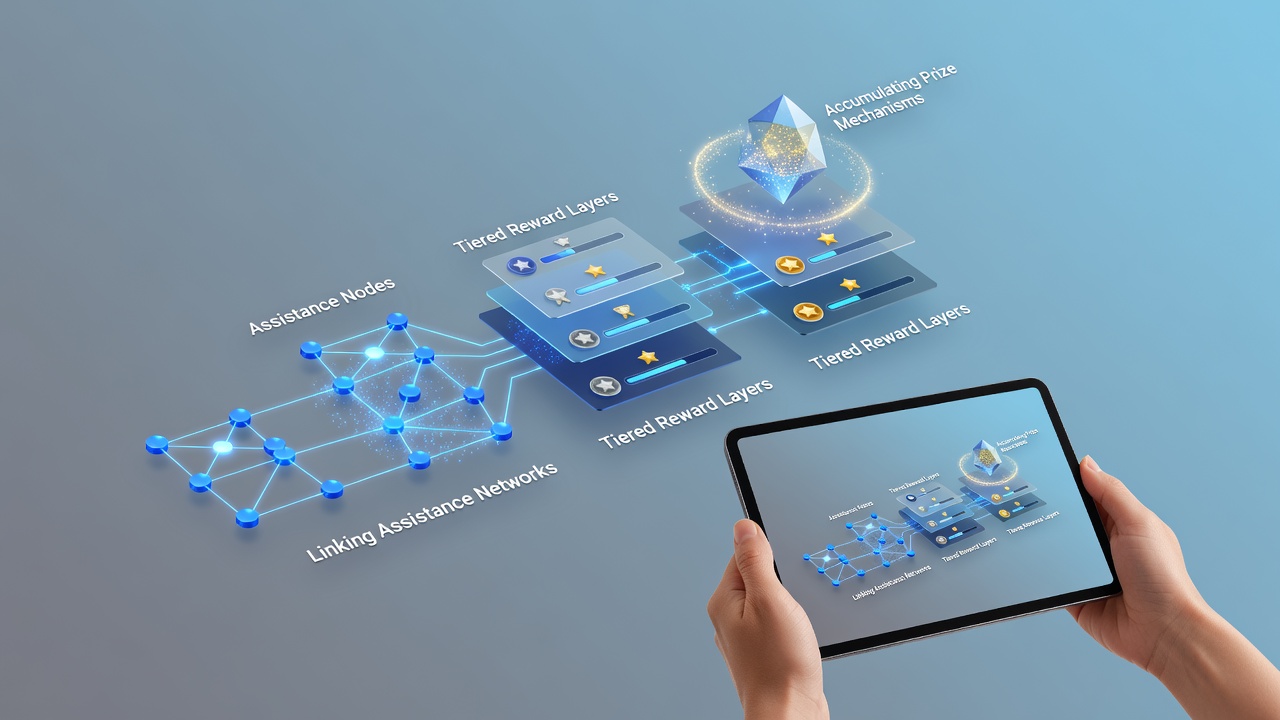
Support networks in handheld entertainment platforms connect directly to tiered reward layers through automated tracking systems that monitor player activity across deposits, game sessions, and live interactions while accumulating prize mechanisms operate on progressive algorithms that build jackpot pools from pooled contributions across multiple users. These connections allow assistance channels such as chat support and account management tools to trigger eligibility checks that unlock higher reward tiers based on verified transaction histories and engagement metrics.
Industry data from 2025 shows mobile platforms processed over 78 percent of all online gaming activity according to reports issued by the New Jersey Division of Gaming Enforcement and similar regulatory bodies in other jurisdictions. Handheld devices facilitate real-time data exchange between support networks and reward databases because they maintain constant connectivity through dedicated APIs that log every deposit, withdrawal request, and game outcome into centralized systems. This setup enables tiered structures where players advance from base levels offering standard free spins to advanced layers that include cashback percentages scaling up to 15 percent on net losses plus exclusive access to accumulating prize pools.
Core Components of Network Integration
Assistance networks function as entry points that validate player actions before routing them into reward accumulation engines. When a user contacts support for deposit issues the system cross-references their account against tier criteria and applies bonus multipliers if thresholds have been met. Accumulating prize mechanisms rely on contribution rates where each bet adds a percentage to the pool wth live tables often feeding 1 to 3 percent of wagers into progressive jackpots that reset after payouts and begin rebuilding immediately. Observers note that these processes run continuously because mobile platforms synchronize data across servers located in multiple regions to prevent delays during peak hours.
Research conducted by the University of Nevada Reno Gaming Research Center indicates that platforms incorporating seamless support-to-reward linkages experience retention rates 22 percent above industry averages in comparable markets. Tiered layers typically feature five to seven levels with each subsequent stage requiring cumulative deposits or playtime milestones that range from 500 dollars at entry level to over 50,000 dollars at the top. Prize accumulation benefits from these structures since higher tiers grant priority eligibility or enhanced contribution multipliers that accelerate pool growth for individual participants.
Operational Flow in Practice
Players initiate the cycle by completing a deposit through integrated payment gateways that instantly update balance records and notify support dashboards of the transaction. Support staff or automated scripts then confirm details while the accumulation engine allocates portions to both personal reward ledgers and shared prize pools. In July 2026 several operators plan to roll out enhanced API versions that reduce verification times from 45 seconds to under 10 seconds based on testing data shared at industry conferences. This speed improvement matters because it keeps users engaged without interruptions that previously caused session drops.
Live dealer environments add another dimension because real-time interactions generate additional data points such as table time and chat frequency that feed into tier calculations. Accumulating mechanisms in these settings often combine fixed contributions with random multipliers drawn from algorithms calibrated to maintain house edge while delivering noticeable jackpot growth visible on screen overlays. Those who study platform analytics report that handheld users who engage support networks more than twice per month show 35 percent higher progression through reward tiers compared to less interactive accounts.
Regional Variations and Regulatory Context
Different jurisdictions shape how these integrations function because local rules dictate maximum contribution percentages to prize pools and minimum transparency requirements for tier advancement criteria. Australian regulatory frameworks administered through state gaming commissions require clear disclosure of accumulation rates while Canadian provincial authorities focus on ensuring support networks provide accurate information about reward eligibility without misleading claims. European operators must comply with data protection standards that affect how player activity logs transfer between assistance systems and reward databases yet the core linkage mechanics remain consistent across borders.
Case examples from major platforms reveal that when support resolves a deposit delay within minutes the system automatically credits a tier progression bonus that also increases the user's share of future prize accumulations by 0.5 percent for the next 30 days. Such features rely on scripted workflows that eliminate manual intervention after initial verification. Data compiled by the American Gaming Association highlights steady growth in mobile prize pool sizes reaching an average of 4.2 million dollars across tracked progressive titles during the first half of 2026.
Technical Enablers and Future Adjustments
Cloud-based architectures support the heavy data flows required for simultaneous tracking of assistance tickets, tier status, and prize contributions because they scale resources dynamically during high-traffic periods. Encryption protocols protect transaction details as they move between support interfaces and accumulation ledgers while maintaining audit trails demanded by oversight bodies. Platform developers continue testing machine learning models that predict when users might need assistance based on unusual betting patterns and then pre-load relevant reward information to streamline resolutions.
Adjustments scheduled for later in 2026 include expanded cross-platform compatibility that lets players carry tier progress and partial prize eligibility between different handheld applications operated by the same company group. These changes build on existing frameworks without altering the fundamental connections between networks, layers, and mechanisms that already deliver measurable engagement lifts according to internal metrics reviewed at sector meetings.
Conclusion
Linking assistance networks to tiered reward layers and accumulating prize mechanisms creates efficient pathways that process player actions into structured benefits across handheld entertainment platforms. The operational details rely on synchronized data systems, verified transaction flows, and progressive algorithms that operate continuously to maintain pool growth and tier advancement. Regulatory environments in multiple regions influence specific parameters yet the underlying architecture supports consistent functionality that platforms refine through scheduled technical updates.