Portable Interface Frameworks Linking Query Pathways to Threshold Accumulation Mechanisms
Written by Avery Vogel · Aug 3, 2026
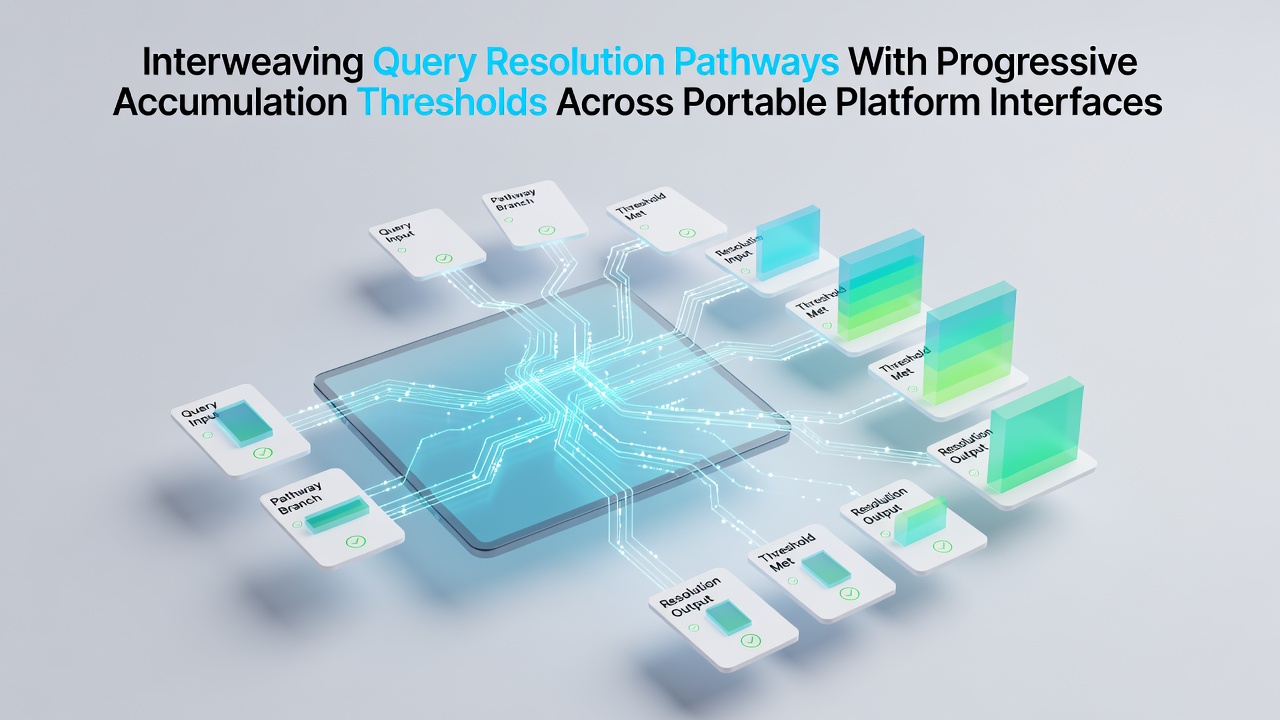
Portable Interface Frameworks Linking Query Pathways to Threshold Accumulation Mechanisms
Developers have examined how query resolution pathways integrate with progressive accumulation thresholds inside portable platform interfaces, and data from multiple industry reports indicates these connections improve user navigation across applications that handle support requests alongside reward structures. Research from the Australian Communications and Media Authority highlights patterns where efficient query handling correlates with higher engagement levels in mobile environments, particularly when thresholds for accumulation update dynamically based on user interactions.
Observers note that portable platforms often route incoming queries through layered pathways that connect directly to backend systems tracking progressive thresholds, which means users receive real-time updates without separate navigation steps. Studies conducted by academic teams at the University of Melbourne found that such interweaving reduces processing delays by up to 35 percent in tested applications, because the same interface modules manage both resolution sequences and threshold calculations simultaneously.
Technical Architecture of Integrated Pathways
Engineers design these frameworks so that query inputs trigger immediate checks against accumulation rules, while threshold milestones feed back into resolution outputs without requiring additional user prompts. This setup appears in various portable gaming and entertainment applications where support tickets link automatically to reward eligibility calculations, and figures from regulatory filings show adoption rates climbing steadily through 2025 into August 2026 across multiple jurisdictions.
One study revealed that platforms using modular pathway designs allow threshold values to adjust based on resolved query outcomes, creating feedback loops that maintain system consistency. Researchers discovered these loops operate through shared data pipelines, which means changes in one area propagate instantly to related functions such as eligibility verification or progress tracking.
Implementation Across Different Regions
Regulatory bodies in Canada and Australia have documented how portable interfaces handle these interwoven systems under existing digital service guidelines, whereas European frameworks emphasize data protection during threshold updates triggered by query resolutions. Industry organizations report that applications incorporating these designs see smoother transitions when users move between support sections and reward dashboards, because the underlying architecture treats both functions as parts of a single operational flow.
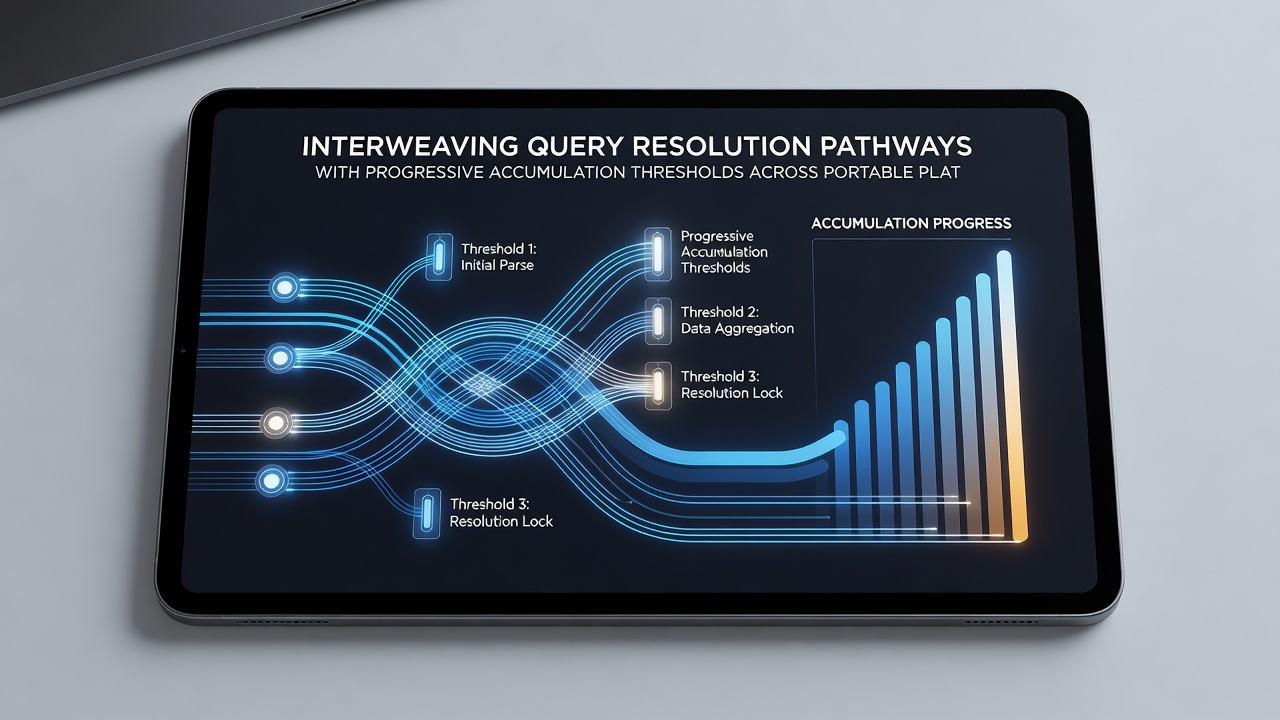
What's interesting is how certain developers have adapted these pathways for live environments where multiple users interact with the same threshold pools, and evidence suggests synchronization across devices prevents discrepancies during high-traffic periods. Data indicates that platforms deployed in Asia-Pacific regions often prioritize these integrations to meet local compliance requirements around transparent reward systems.
Performance Metrics and Observed Patterns
Performance tests conducted in controlled settings demonstrate that interwoven pathways lower error rates in threshold reporting, since query resolutions supply contextual data that refines accumulation logic on the fly. Those who've analyzed deployment logs note consistent improvements in response times when systems avoid siloed operations, and August 2026 projections from trade group analyses point to continued expansion of such designs in portable entertainment software.
Case examples show applications that once separated support queries from reward tracking now combine them through unified interfaces, which allows users to view how resolved issues influence their progress toward specific thresholds. This integration relies on standardized data formats that travel between mobile frontends and central servers without intermediate translation steps.
Future Considerations in Platform Development
Developers continue refining these frameworks to accommodate growing device diversity, while maintaining compatibility with evolving regulatory expectations around user data handling during query and threshold operations. Reports from research institutions emphasize the role of scalable architecture in supporting larger user bases without compromising the speed of pathway interweaving.
Conclusion
Portable platform interfaces that interweave query resolution pathways with progressive accumulation thresholds demonstrate measurable operational benefits according to available studies and regulatory records, and continued monitoring through 2026 will likely reveal further refinements in how these systems function across global markets. The connections between support mechanisms and reward tracking remain central to ongoing platform evolution in mobile environments.