Smartphone Platform Ecosystems Connecting Secure Payments with Tiered Incentives Live Interactions and Progressive Jackpot Access
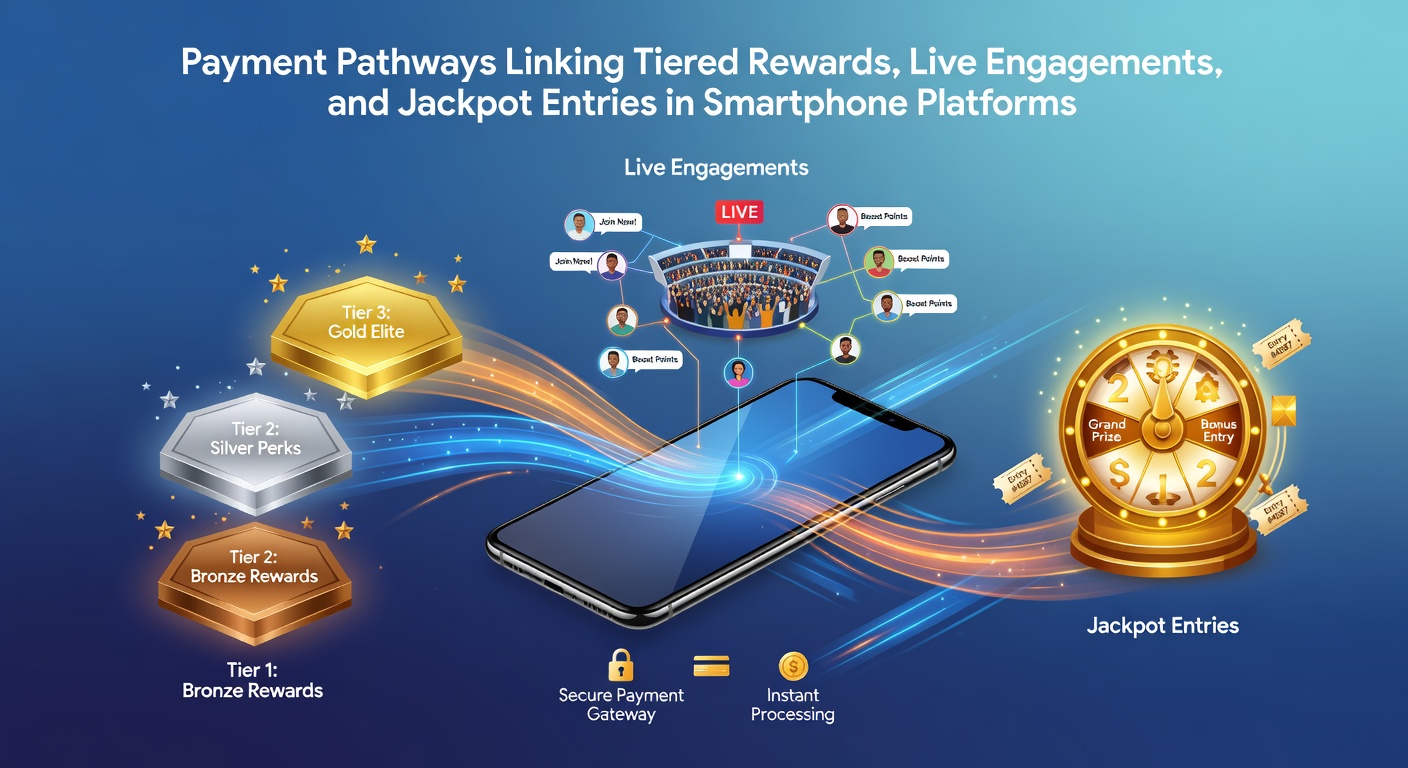
Payment systems in smartphone gaming applications route funds through encrypted channels that automatically feed into loyalty structures while unlocking participation in real-time dealer sessions and accumulating entries for progressive prize pools and observers note that these pathways rely on standardized APIs linking banking partners with backend databases.
Data from regulatory filings show that operators in multiple jurisdictions have adopted token-based ledgers since 2024 and these ledgers record every deposit as both a transaction and a multiplier toward reward tiers with live engagement features triggering additional point accruals during active sessions.
Core Mechanics of Mobile Payment Routing
Developers embed payment gateways directly into app architecture so that a single authorization simultaneously updates user balances, applies tier bonuses, and registers jackpot contributions and this design reduces latency because the same data packet travels to multiple ledgers without separate calls. Research from the Nevada Gaming Control Board indicates that average transaction times dropped below three seconds on compliant platforms after 2023 upgrades while security protocols such as tokenization and device fingerprinting remain mandatory across all pathways.
Operators further segment these routes by user geography and payment method because credit card rails in North America differ from digital wallet protocols popular in parts of Asia and Europe yet each route still converges on a unified reward engine that calculates tier progress and jackpot eligibility in real time.
Tiered Reward Structures Activated by Transactions
Tier advancement occurs when cumulative spend or activity thresholds are met and the payment pathway itself serves as the primary data source for these calculations so that every deposit increments both balance and status points without requiring users to navigate separate menus. Figures released by the American Gaming Association reveal that platforms offering instant tier updates after deposits recorded thirty percent higher retention rates compared with systems that batch updates nightly and this pattern held across several state-regulated markets through early 2026.
Users who reach higher tiers gain access to enhanced multipliers on jackpot entries and priority queuing for live dealer tables yet the underlying payment logic remains identical across all levels ensuring consistent processing regardless of status.
Linking Live Dealer Sessions to Payment Events
Live engagement modules receive real-time notifications from the payment engine whenever a qualifying transaction completes and this handshake allows the platform to credit session-based rewards or unlock table-specific jackpot variants within the same minute. Studies conducted by the University of Las Vegas gaming research group found that synchronized payment and live-event triggers increased average session duration by nearly eighteen minutes per user while maintaining regulatory compliance through auditable event logs.
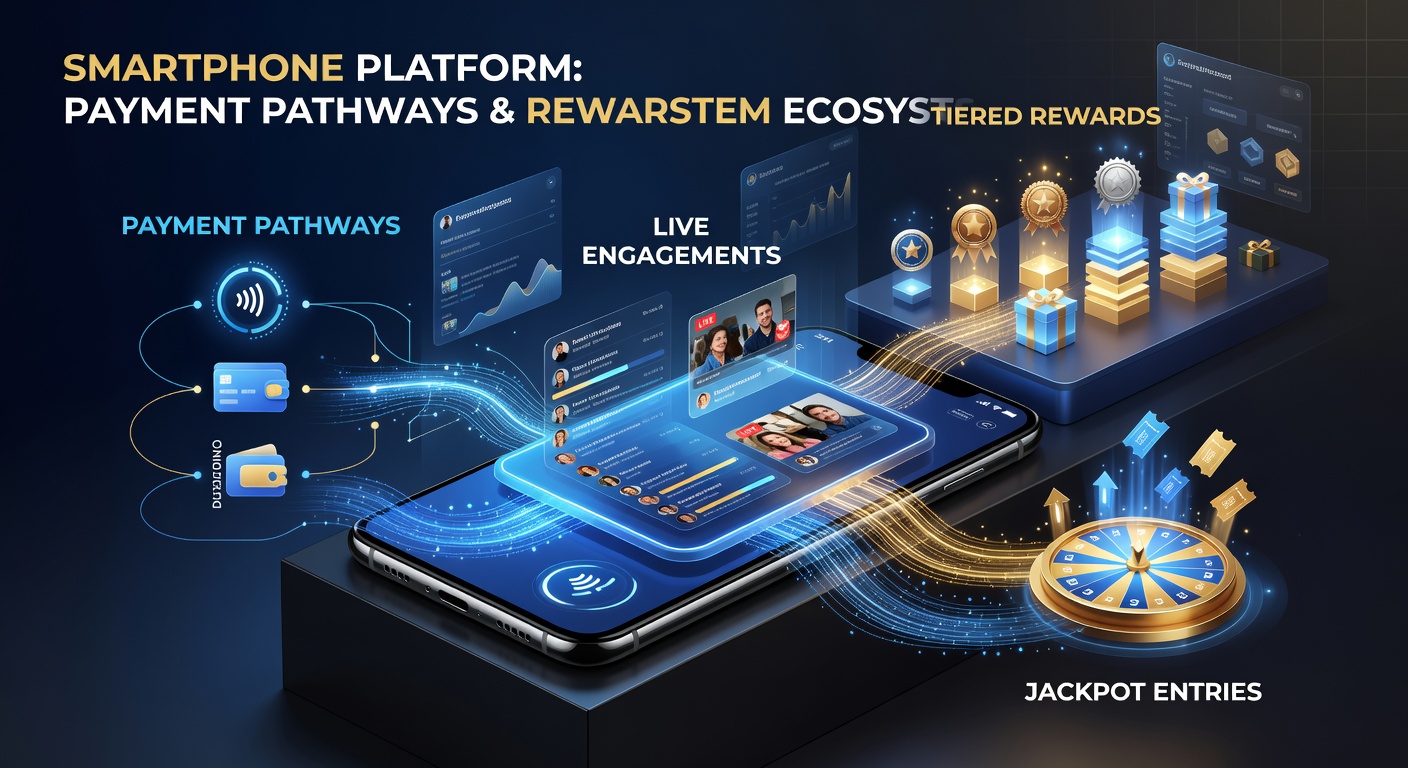
Because live tables often feature side bets or progressive side pots that draw directly from the same funding stream the payment pathway must isolate and earmark portions of each wager for those secondary prize pools and this separation occurs at teh authorization stage before funds reach the game server.
Jackpot Entry Accumulation Through Integrated Pathways
Every authorized payment automatically generates a proportional number of jackpot entries based on the amount and the user’s current tier while live session activity can multiply those entries further without additional deposits. As of May 2026 several major operators updated their entry algorithms following guidance from the New Jersey Division of Gaming Enforcement which now requires transparent display of entry multipliers on the same screen where deposits are confirmed.
The accumulation model supports both fixed and progressive prize structures because the payment ledger tracks base entries separately from bonus entries earned through live play and this dual tracking prevents over-allocation when jackpots reset after a win.
Security and Compliance Considerations Across Regions
Regulatory bodies in Canada and Australia have issued joint statements emphasizing end-to-end encryption and independent audit trails for any pathway that touches both monetary transfers and prize eligibility and platforms must demonstrate that no single point of failure can alter tier status or jackpot counts. Industry reports from the International Association of Gaming Regulators note that smartphone-specific vulnerabilities such as session hijacking have prompted additional device-binding requirements that tie each payment authorization to a verified hardware identifier.
These controls operate transparently to the user yet remain visible in backend reconciliation reports that regulators review quarterly ensuring that reward and jackpot systems reflect only legitimate transactions.
Conclusion
Payment pathways in smartphone gaming platforms function as unified conduits that simultaneously handle fund movement, tier progression, live-session participation, and jackpot accumulation through coordinated API calls and shared ledgers and the architecture continues to evolve in response to regulatory updates such as those implemented in May 2026. Observers tracking these developments report that integration depth directly correlates with measurable user metrics across compliant markets while maintaining strict separation between financial processing and game outcome determination.