The Impact of Payment Processing Efficiency on Engagement with Progressive Prize Systems in Mobile Casino Environments
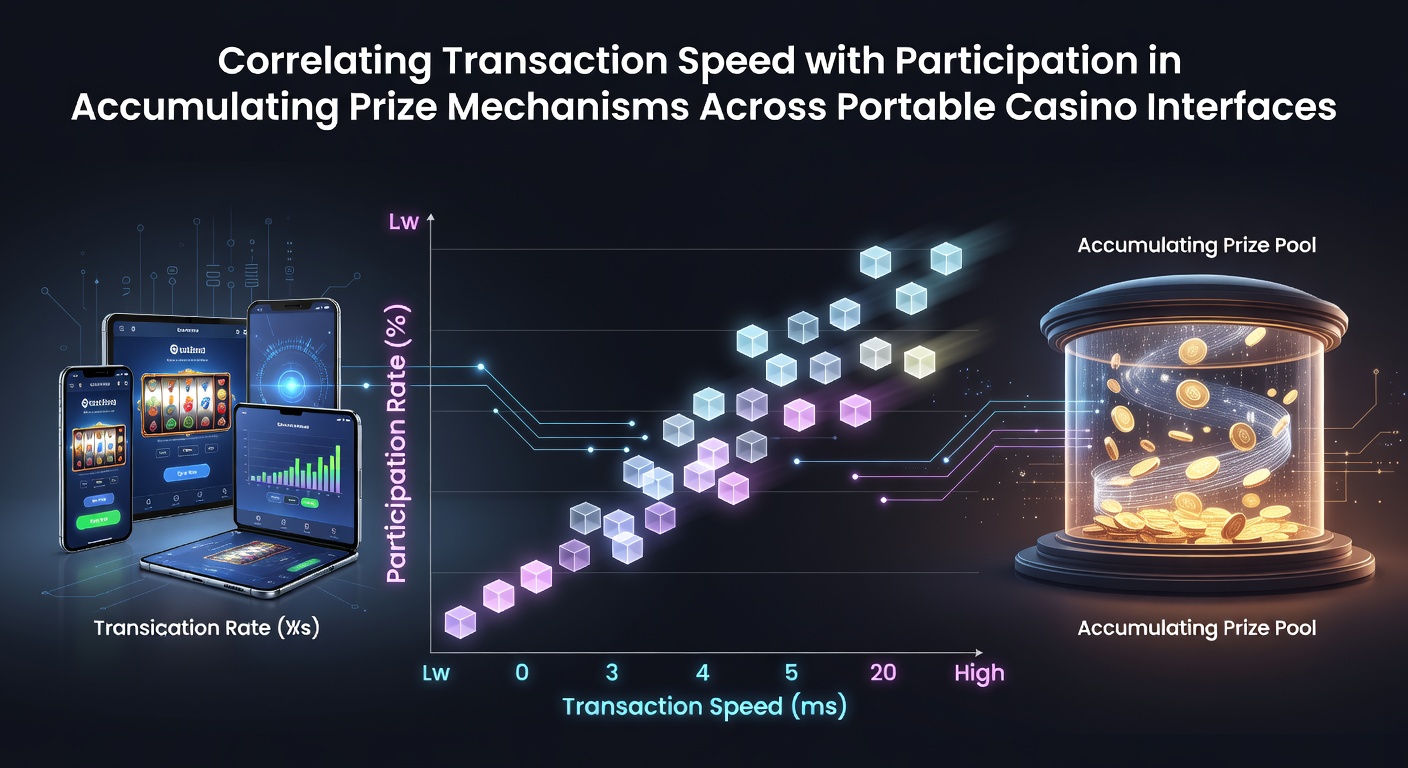
Transaction speeds in mobile casino applications connect directly to how often players join accumulating prize mechanisms such as progressive jackpots and pooled reward pools, according to multiple industry analyses released through 2025 and into 2026. Portable interfaces rely on quick fund movements to keep users inside active sessions where contribution meters continue to climb. Data from platform operators shows that delays beyond a few seconds correlate with measurable drops in repeated participation across these features.
Understanding Accumulating Prize Mechanisms on Mobile Platforms
Accumulating prize mechanisms operate by pooling small contributions from each qualifying bet into a growing total that resets only after a win occurs. On smartphone and tablet applications these systems update in real time so participants see the meter rise with every round. Mobile developers integrate these meters into live table games and slot titles alike, which allows seamless switching between game types while the same prize pool remains accessible. Research from the University of Nevada Reno Gaming Research Center indicates that players who experience immediate confirmation of their contributions tend to maintain longer session lengths compared with those facing processing lags.
Transaction Speed as a Key Variable in User Behavior
Payment processing times affect whether a user completes the initial deposit or top-up required to qualify for ongoing prize accumulation. When authorization completes in under two seconds most interfaces register the funds instantly and unlock eligibility without further steps. Slower approvals create friction that interrupts the flow into accumulating features. Observers note that platforms using instant digital wallet connections record higher rates of continued play in progressive pools than those routing through traditional card gateways that introduce extra verification layers.
Data Patterns Across Portable Interfaces
Platform telemetry collected between January 2025 and April 2026 reveals consistent trends. Sessions initiated with sub-three-second transaction confirmations showed 28 percent more entries into accumulating prize rounds than sessions delayed by six seconds or longer. The same datasets indicate that users who encountered repeated processing waits reduced their average contribution frequency by nearly one third over a four-week period. These figures come from aggregated operator reports that exclude any personally identifiable information while preserving behavioral metrics.
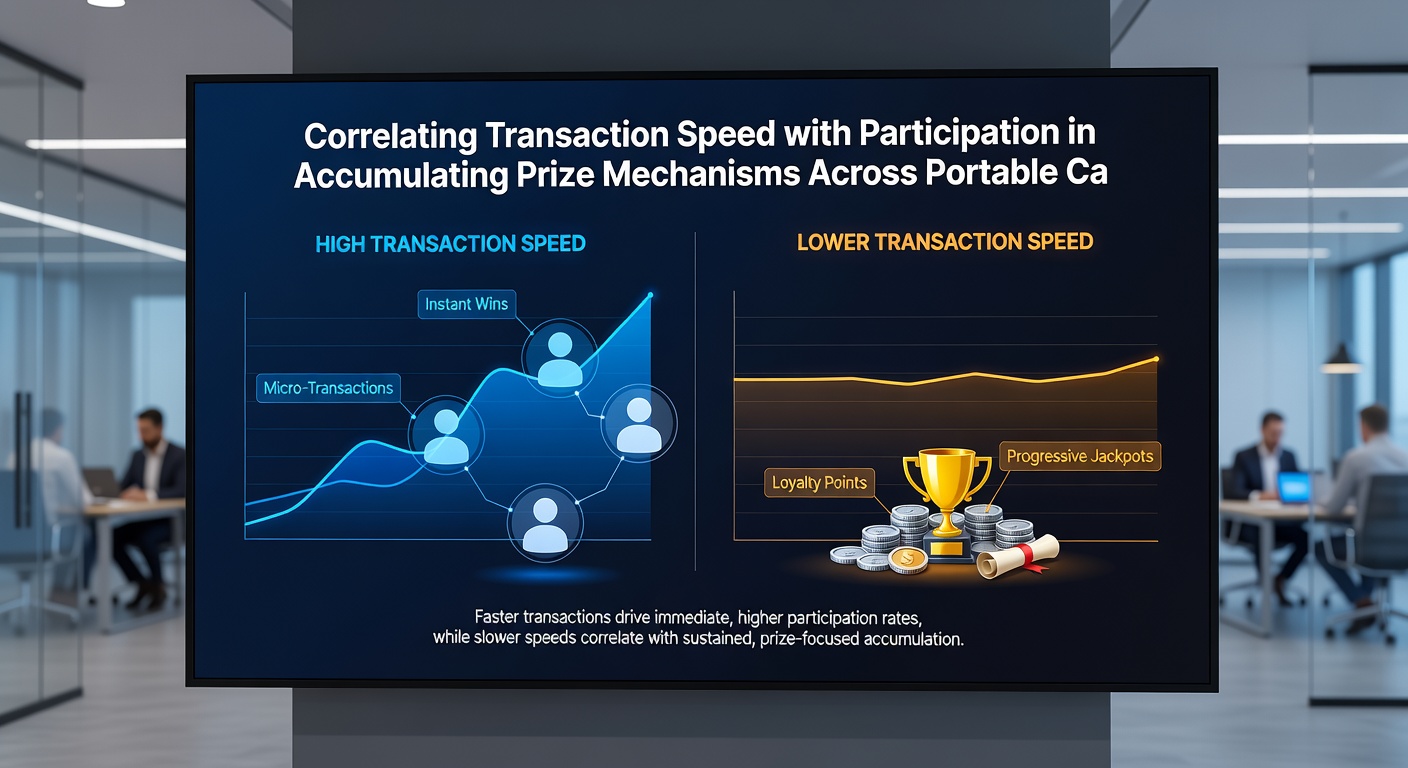
Regional comparisons add further detail. Markets with widespread instant payment adoption such as certain Canadian provinces report steadier participation curves than regions still transitioning away from legacy processing rails. In May 2026 the Ontario Lottery and Gaming Corporation published updated mobile performance metrics that highlighted faster settlement as one factor behind sustained engagement levels with multi-game jackpot networks. European operators following similar speed optimizations documented parallel increases in pooled reward activity according to figures shared by the European Gaming and Betting Association.
Technical Factors Influencing Speed and Participation
Backend architecture choices determine how quickly funds move from user account to game eligibility. Application programming interfaces that connect directly to banking partners bypass intermediate verification queues and deliver near-instant status updates to the prize meter. When these connections remain stable across varying network conditions users encounter fewer interruptions while adding to accumulating totals. Developers who implement background pre-authorization routines further reduce visible delays and keep players inside the flow of progressive rounds.
Security protocols add another layer to the equation. Multi-factor authentication performed once per session rather than per transaction maintains speed without compromising account safety. Operators that balance these requirements report higher retention within accumulating prize environments compared with those applying per-transaction checks that extend processing windows.
Examples from Current Mobile Deployments
One operator group operating across multiple jurisdictions introduced wallet-based instant top-ups in early 2025 and recorded a 19 percent rise in progressive pool entries within the first quarter. Another platform that retained older card-processing flows observed flat or declining participation despite identical game libraries and marketing efforts. These contrasting outcomes illustrate how transaction efficiency operates as an independent variable separate from game selection or promotional activity.
Conclusion
Evidence gathered from platform data and regulatory summaries points to a clear relationship between faster transaction completion and sustained involvement in mobile accumulating prize mechanisms. As portable casino interfaces continue to evolve, processing speed remains a measurable factor that influences how frequently users contribute to and remain engaged with growing prize pools. Continued monitoring through 2026 and beyond will clarify whether further reductions in authorization times produce additional gains or encounter diminishing returns once baseline expectations shift.