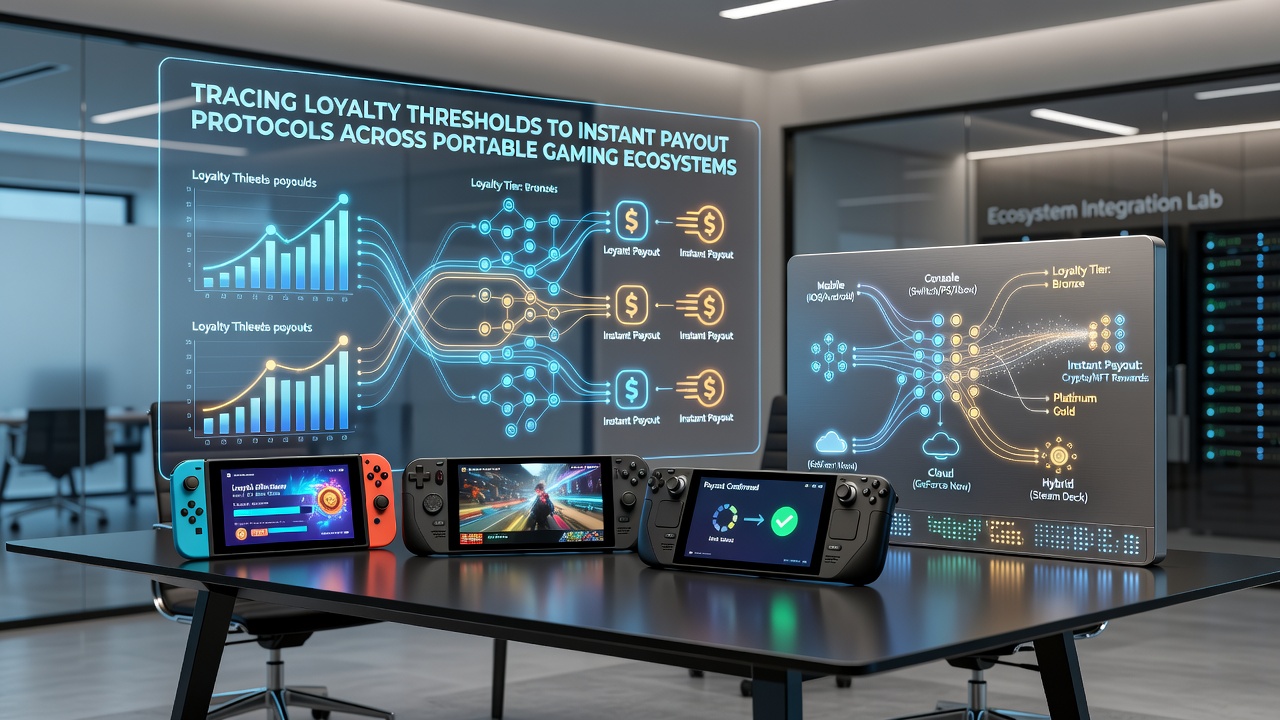
Tracing Loyalty Thresholds to Instant Payout Protocols in Portable Gaming Ecosystems
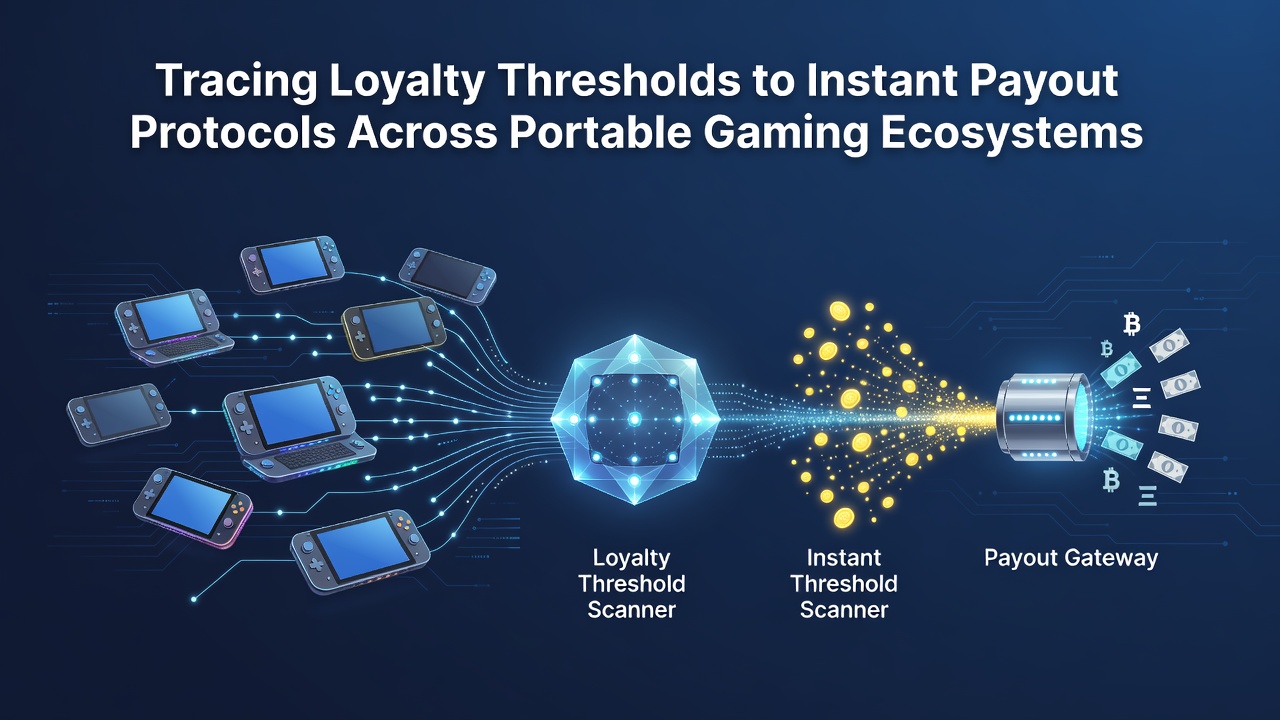 Research indicates that loyalty thresholds in portable gaming environments operate as structured accumulation points where users reach defined milestones before accessing instant payout protocols, and these systems connect directly through application programming interfaces that handle verification and disbursement across smartphone platforms. Data from industry reports show that operators track player activity metrics such as session duration, wager volume, and game type participation to calculate when thresholds activate release mechanisms, while portable ecosystems on iOS and Android maintain separate compliance layers that enforce regional rules before funds transfer. Developers design these protocols to minimize delays by embedding real-time validation checks that confirm loyalty status against payout eligibility criteria, and this integration allows users to move from accumulated rewards directly to bank-linked accounts or digital wallets without intermediate holding periods in many cases. Observers note that portable gaming applications increasingly rely on standardized communication frameworks which synchronize loyalty databases with payment gateways, ensuring that threshold achievements trigger automated sequences without manual intervention from support teams.
Core Components of Loyalty Threshold Systems
Threshold structures typically divide into multiple tiers based on cumulative activity levels, and each tier corresponds to specific payout speeds or fee reductions that operators apply once users meet the criteria. Studies reveal that mobile platforms record these achievements through backend analytics engines which push notifications to users when thresholds near completion, prompting engagement with instant disbursement options built into the application interface. Those who've examined deployment patterns find that loyalty metrics often incorporate both time-bound elements and volume-based calculations, allowing protocols to adjust payout timing according to the exact combination of factors recorded during gameplay sessions.
Portable ecosystems require these systems to function across varying device capabilities, so developers incorporate lightweight verification modules that operate efficiently even on older hardware while maintaining security standards required by payment networks. Figures from gaming associations indicate that threshold-to-payout linkages have grown more precise since 2024, with many applications now processing eligibility checks in under two seconds when users initiate withdrawal requests following milestone attainment.Protocol Mechanics and Ecosystem Connectivity
Instant payout protocols function through encrypted data exchanges between loyalty management modules and financial processing services, and portable gaming environments route these exchanges via secure channels that comply with data protection regulations in multiple jurisdictions. Research shows that operators frequently employ modular architecture designs which separate loyalty tracking from core payment execution, enabling independent updates to either system without disrupting overall functionality across user bases. In June 2026 regulatory updates across several markets are expected to require enhanced audit trails for these connections, meaning platforms must log every threshold crossing event alongside corresponding payout confirmations. This requirement stems from broader efforts to maintain transparency in mobile gaming operations, and it affects how developers configure their protocol stacks to retain detailed transaction histories accessible for compliance reviews.